Oct 18 2026
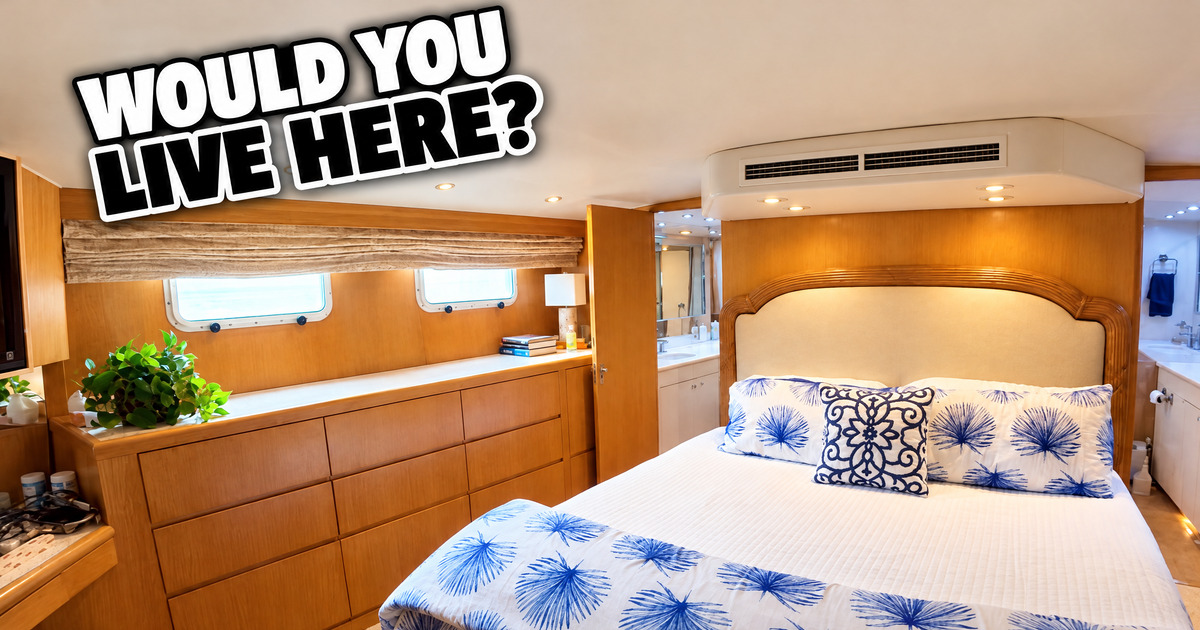
Inside Our 90% Finished Hatteras Master Stateroom
Empire’s Hatteras master stateroom has fresh carpet and working lights. Take a look inside and see what’s left before we can call the restoration finished.

Practical lessons, honest stories, destination notes, gear decisions, yacht life, RV planning, and the real details behind a life moving between anchors and axles.
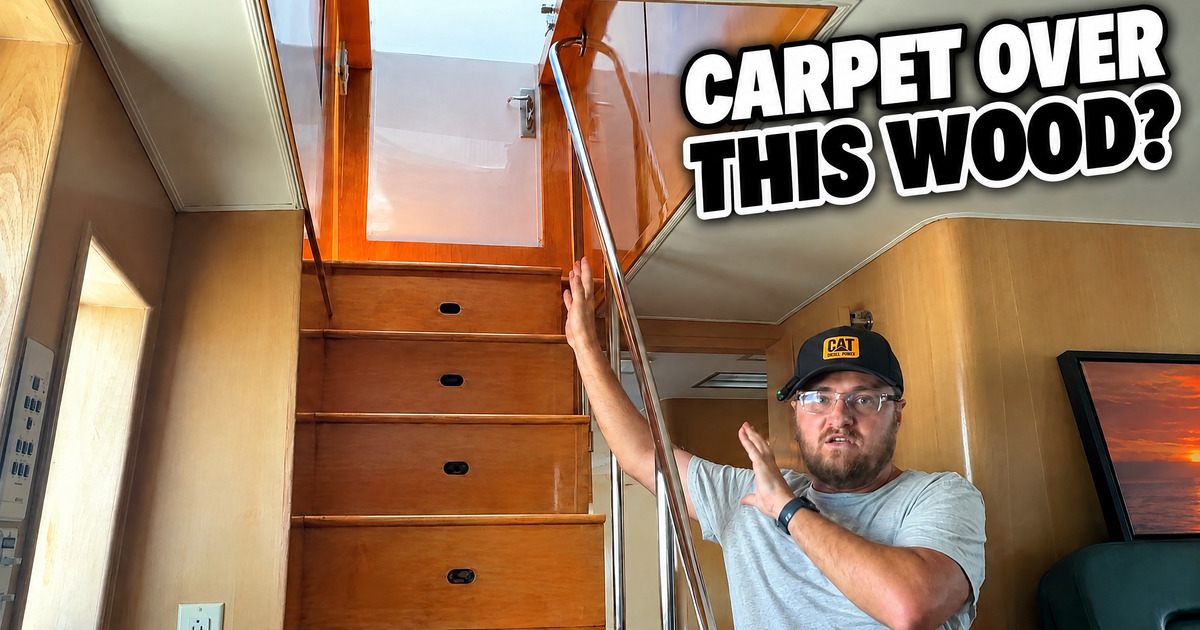
We brought Empire's original wood stairs back with layered varnish and clear grip strips, then discovered why one shiny upgrade leads to the next.
Anchors to Axles is open to thoughtful collaborations, guest features, field-tested gear stories, destination spotlights, and content partnerships that fit the sea-to-land lifestyle.
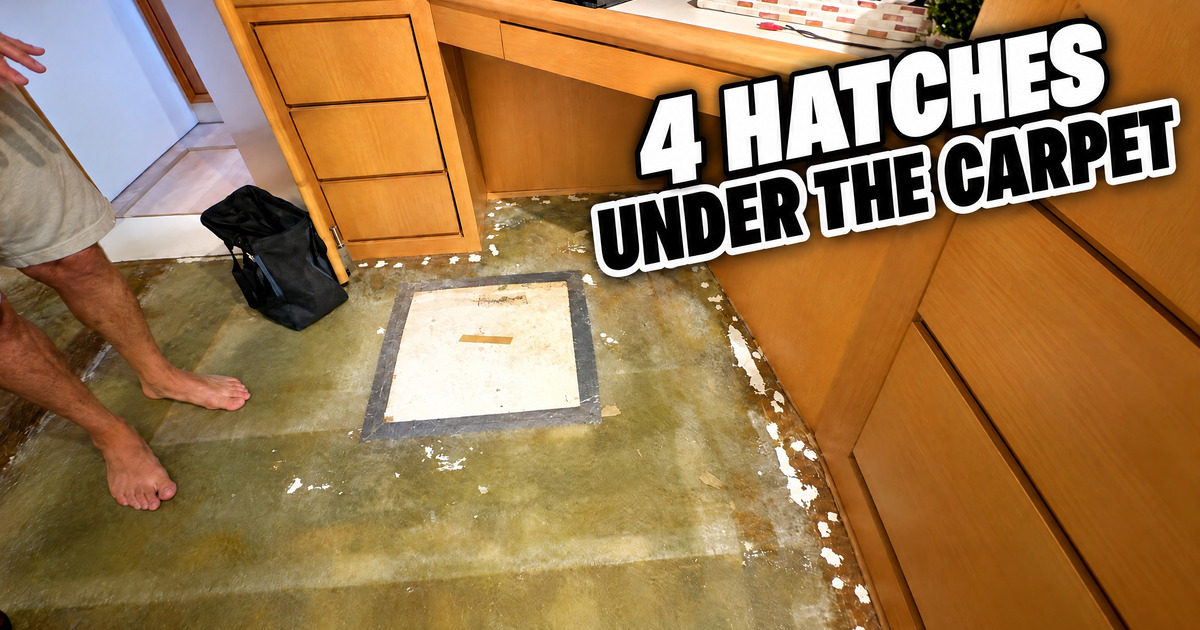
Empire's stateroom carpet hid four access hatches. See why we kept them accessible and sealed every tack-strip hole before the new carpet went in.
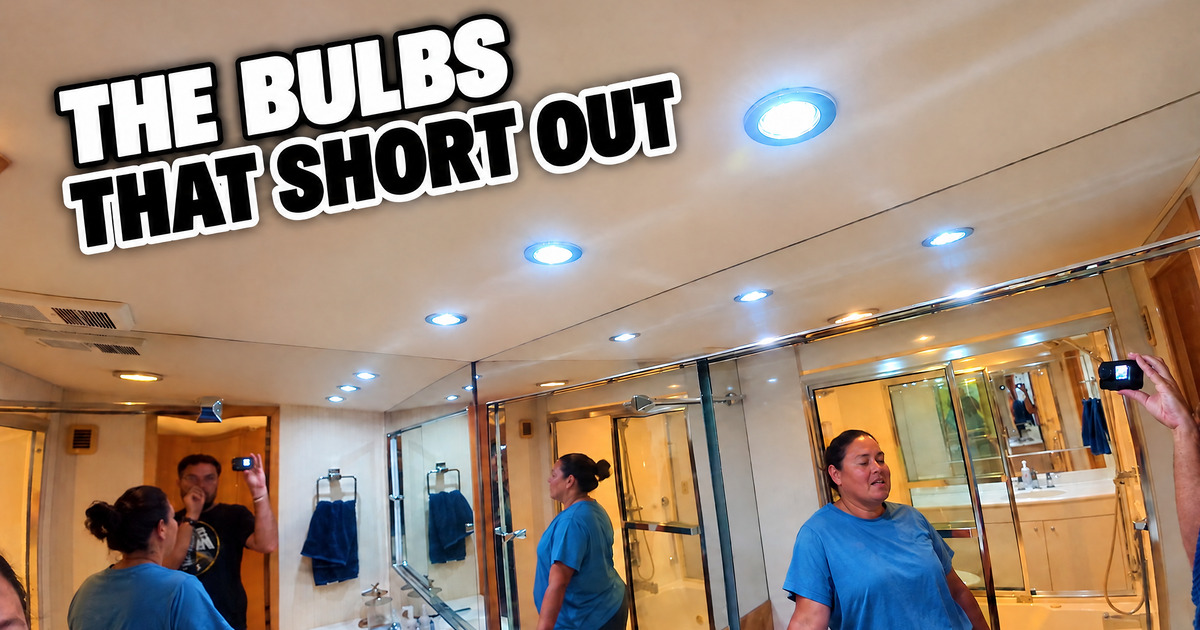
See why we chose Hatteras-compatible disc LEDs for Empire's master head, plus the fixture replacement that finally brought light back to the shower.
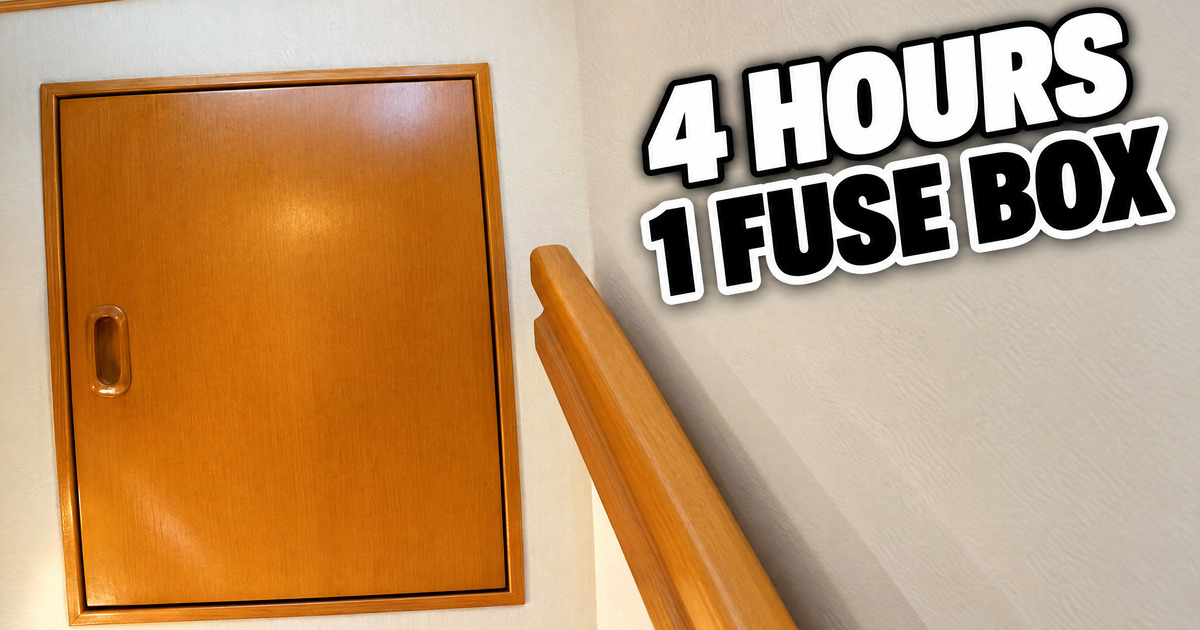
Our four-hour lighting fuse hunt aboard Empire reveals the hidden stairwell cabinet to check and why labeled circuits and spare fuses matter on a Hatteras.
Browse the full archive of practical stories, build notes, gear lessons, travel planning, dockside details, and road-tested reflections.
Empire’s Hatteras master stateroom has fresh carpet and working lights. Take a look inside and see what’s left before we can call the restoration finished.
A beautiful anchorage loses some appeal when the cabin smells like a holding tank. So does a mountain campsite when the RV bathroom announces itself from the doorway. Finding the source gives you a chance to fix it.
A boat or RV can have a gorgeous view and still deliver a lousy night’s sleep. Add a whining fan and a galley that rattles underway, and the luxury starts wearing thin.
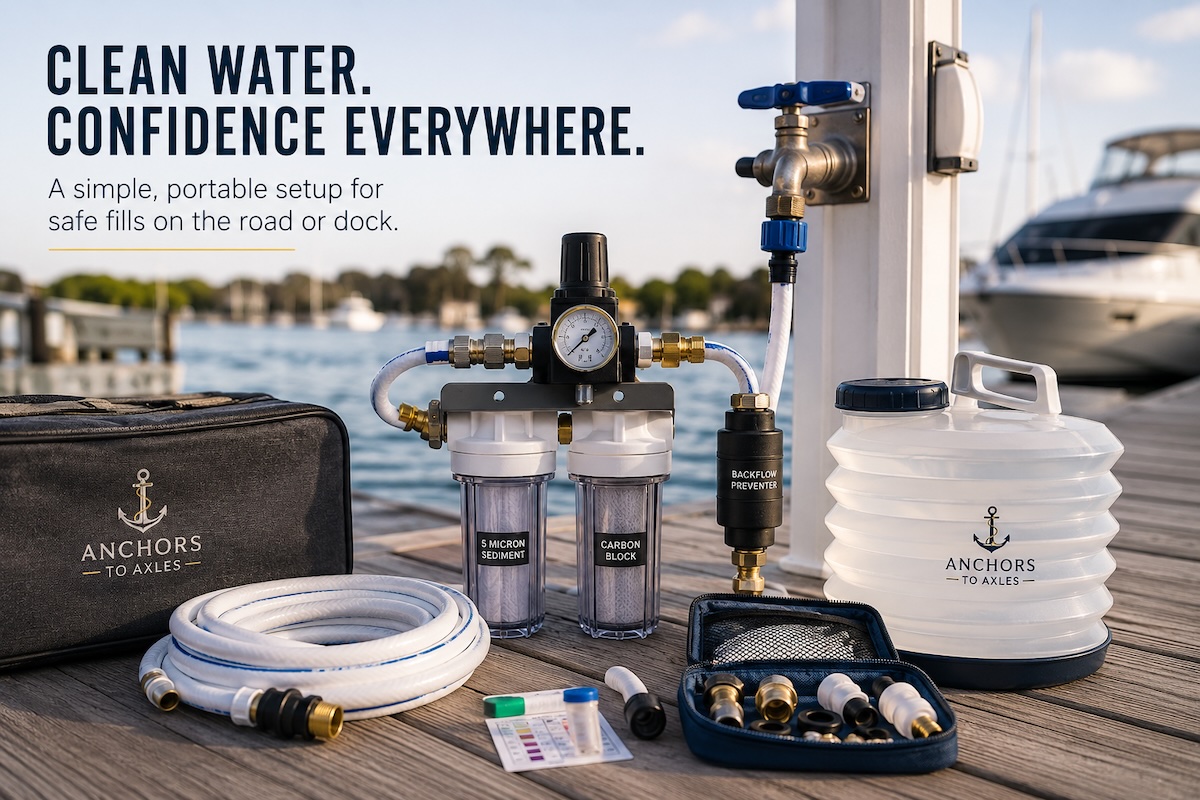
Bad water is a lousy souvenir. At a dock or campground, one questionable fill can turn a convenient spigot into a tank full of trouble, with hoses and fixtures to clean before the next stop.
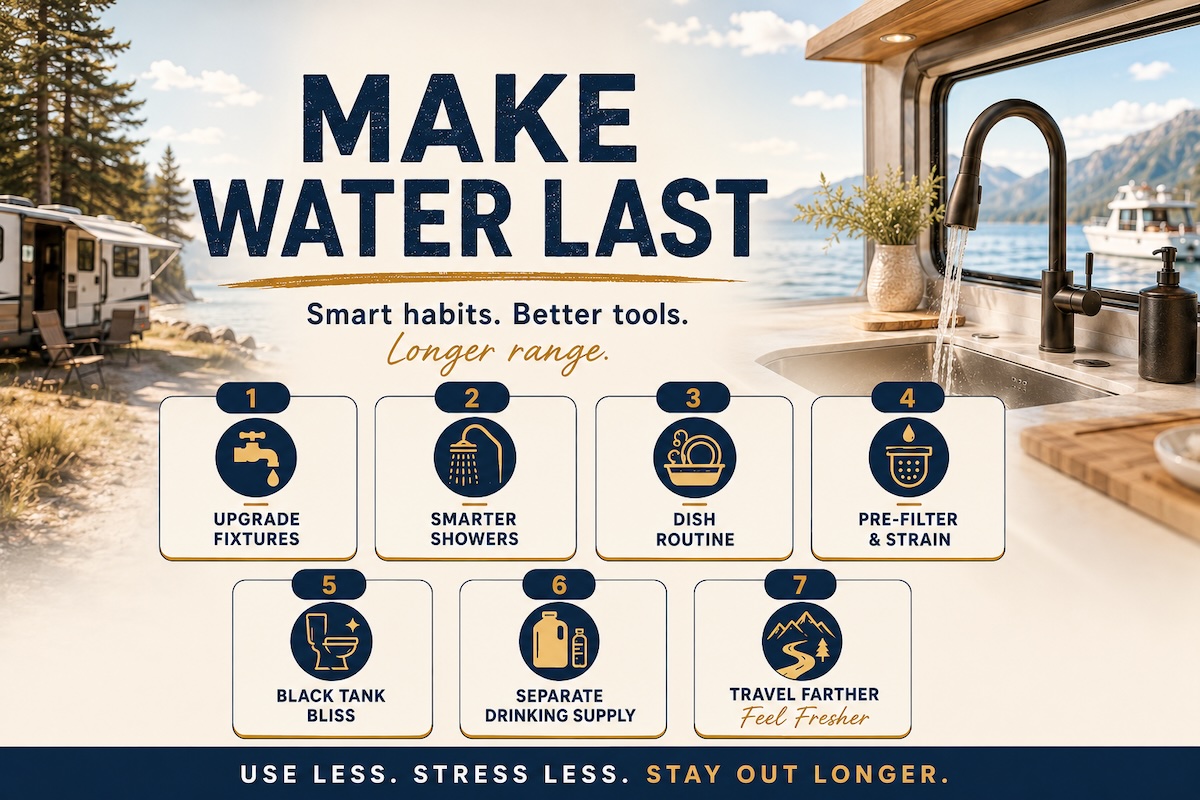
A hot shower shouldn’t require a strategy meeting. But aboard a boat or in an RV, fresh water and waste capacity can decide how long you stay somewhere good.

A thermostat set to 72°F is a request, not a plan. Under desert sun, an RV can gain heat faster than its air conditioner removes it. On a muggy coast, the temperature can look fine while the bedding feels damp.
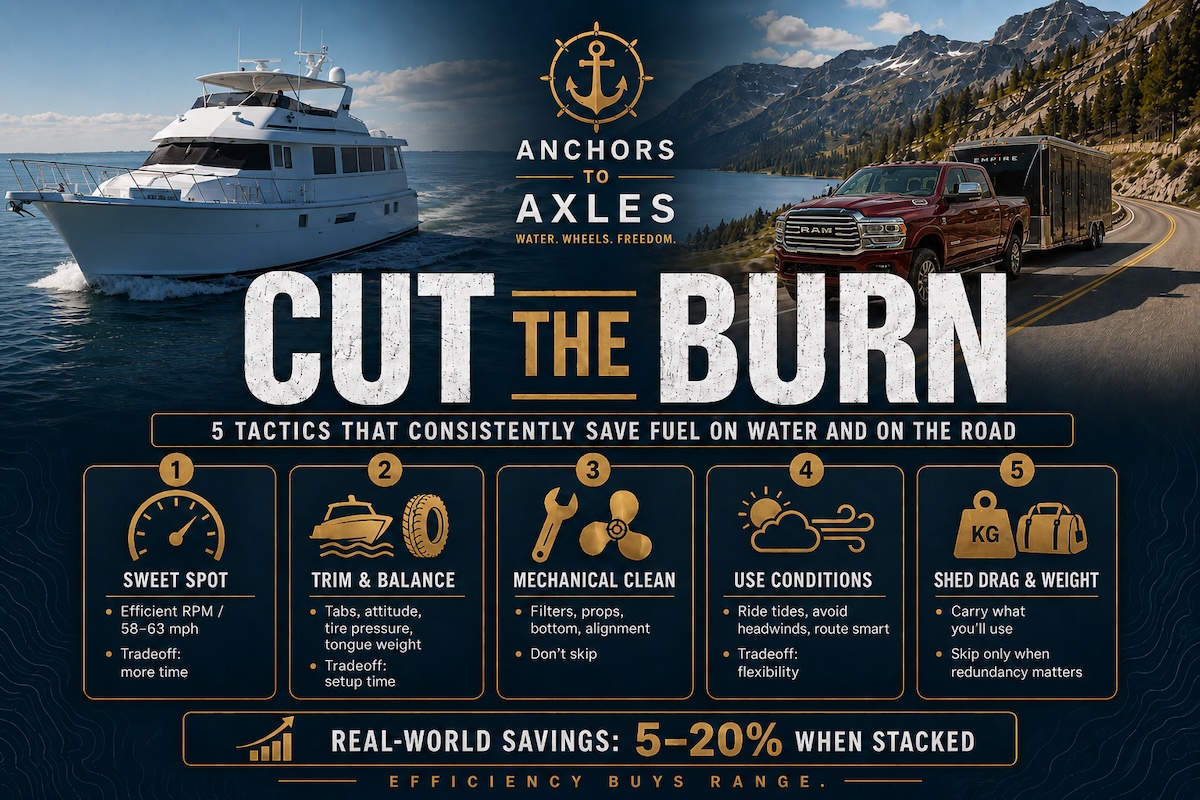
A fuel dock and a truck stop can deliver the same rude surprise: a total that makes you reconsider how much throttle you really needed.

A navigation app can give you a two-hour drive without asking whether your trailer can make the turns or whether the pass will be icy when you arrive. Boaters already know this problem: a line on a chart is not a passage plan.

The first ten feet of a trip can get expensive. A loose chair goes overboard. An extended awning meets a tree. A shore-power cord gets asked to do a job it was never designed for: hold back a moving boat or RV.
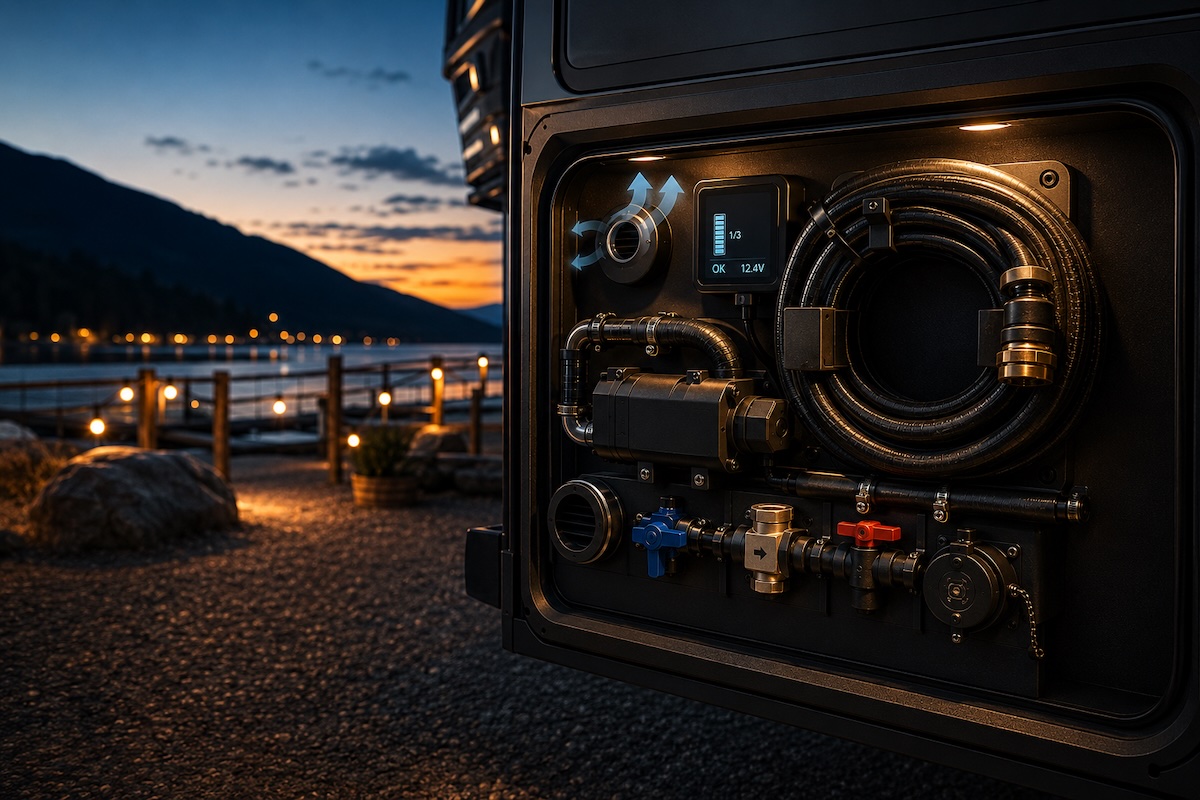
A great campsite loses some charm when opening the RV door smells like opening a holding tank. On a long haul, the fix is rarely a stronger dose of fragrance. It's understanding where the air goes and keeping waste moving when it's time to dump.
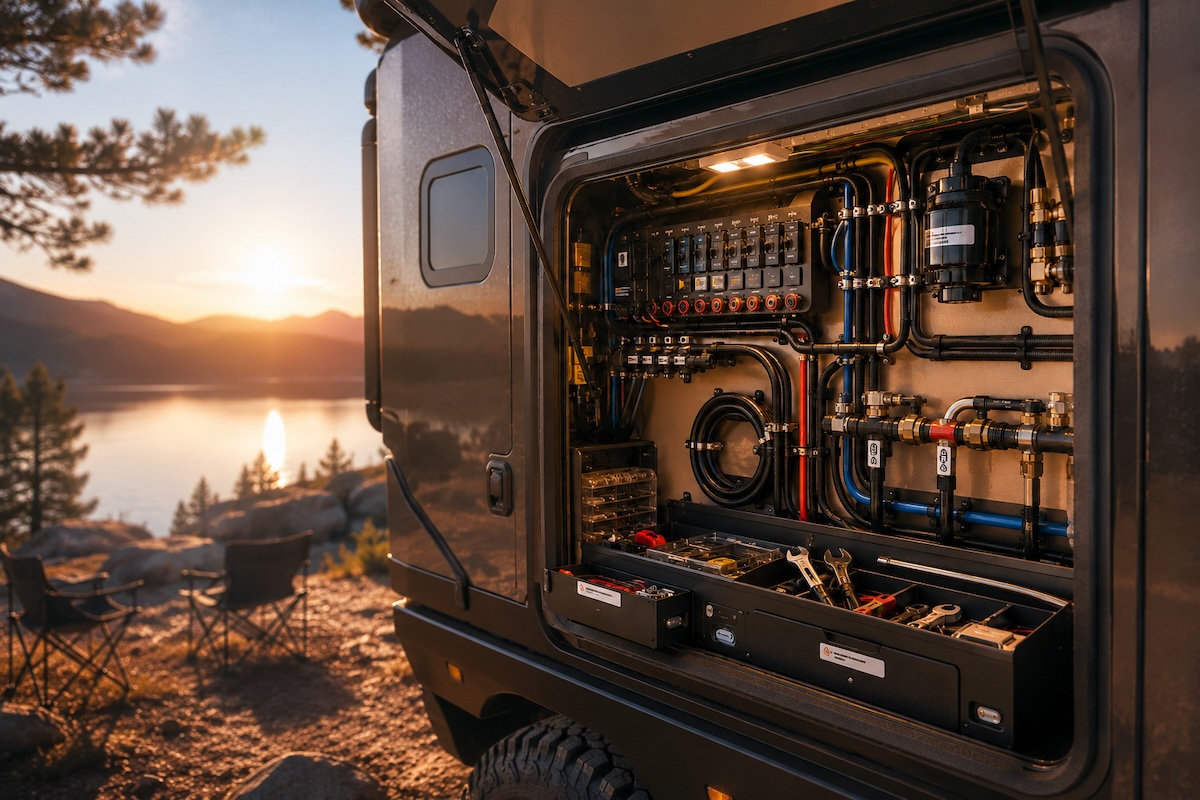
A water pump can be perfectly visible and still be almost impossible to remove. Perhaps a fitting faces the wall. Perhaps the wiring stretches tight before the pump clears its bracket. You can see the problem. You just cannot get a tool onto it.

A boat cabin or RV can have a perfectly decent layout and still feel cramped by midafternoon. Fixing what makes the existing space uncomfortable is usually a more practical starting point.